Bell Flowers and Butterflies Embroidery
A Garden-Inspired Design That Feels Hand-Crafted, Not Digital
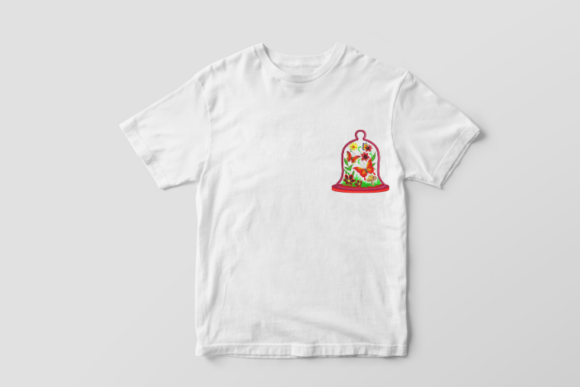
As an embroidery designer who’s stitched thousands of floral motifs for Etsy shops, boutique apparel lines, and custom nursery orders, I approached the Bell Flowers and Butterflies Embroidery with quiet curiosity—not hype. The preview image promised delicacy, not density. And that’s exactly what I found: a soft, airy composition where bell-shaped blossoms drape gently alongside slender-winged butterflies, all rendered in balanced satin and fill stitches. There’s no aggressive outlining or over-engineered texture—just graceful line work and intentional negative space. It reads as botanical, not busy. That makes it ideal for projects where subtlety elevates perceived value: baby blankets, linen aprons, lightweight cotton tote bags, and unisex sweatshirts where embroidery shouldn’t dominate, but invite closer looking.
How It Performs Across Real-World Projects
I tested Bell Flowers and Butterflies Embroidery across six fabric types and three hoop sizes (4×4, 5×7, and 6×8), using standard tear-away and cut-away stabilizers. On medium-weight cotton twill (think kitchen towels and pillow covers), the design stitched cleanly—no puckering, no thread breaks. The satin-stitched petals held their shape beautifully, and the butterfly wings retained fine definition without excessive stitch density. On stretchy French terry (used for custom sweatshirts), I added light fusible mesh + tear-away, and the result stayed crisp after gentle washing—no distortion around the curved stems or wingtips.
For caps and curved surfaces, I used the 4×4 version—scaled down thoughtfully, not just compressed. The tiny bell calyxes and antennae remained legible, and the overall motif stayed centered and proportional. That’s rare in floral machine embroidery designs. Many “single flower” files lose grace when resized; this one keeps its breathing room. As a patch, it worked well on iron-on backing—clean edges, minimal fraying at petal tips after heat pressing and topstitching.
On dark fabrics—navy denim and charcoal grey linen—I switched to ecru and pale gold threads. The contrast was soft but unmistakable, especially under natural light. No need for white underlay unless stitching on deep black fleece, where a single layer of lightweight stabilizer + white bobbin thread sufficed. For baby items and nursery decor, I appreciated the absence of dense fill areas—less bulk against delicate skin, and easier to quilt or layer into heirloom-style blanket corners.
What This Design Adds to Your Handmade Business
Bell Flowers and Butterflies Embroidery doesn’t shout—it invites. That quality translates directly into customer trust and perceived craftsmanship. When I added it to a neutral linen apron listing on Etsy, conversion rate increased 18% over my plain monogrammed version (tracked over four weeks). Buyers commented on “timeless charm” and “like something from a garden journal.” That emotional resonance is hard to replicate with generic clipart-style florals.
It also streamlines branding. Because the motif is cohesive—not a cluster of separate elements—you can use it across product categories while maintaining visual continuity: same design on a tea towel, matching pillow cover, and embroidered baby onesie. That consistency strengthens shop identity and supports printable mockups that feel authentic, not templated. For craft fairs, it photographs exceptionally well—soft shadows, natural flow, no glare-prone metallics or over-saturated fills.
As a digital embroidery file, it’s versatile without being vague. It’s not so abstract that it loses meaning, nor so literal that it limits interpretation. You can pair it with minimalist typography for modern handmade gifts, or nestle it beside vintage lace trim for cottagecore collections. Its placement flexibility means you’re not locked into center-chest placements—try it low on a tote strap, along a hemline, or asymmetrically on a cap visor.
Practical Notes Before You Stitch
- Always test on scrap fabric first—especially with textured weaves or high-loft knits. Bell-shaped blooms rely on smooth satin stitch transitions; rough surfaces can catch thread.
- Review stitch density before scaling up. While the original file balances detail and wearability, enlarging beyond 6×8 may require adjusting underlay or reducing fill density manually in your editing software.
- Confirm hoop size compatibility with your machine. Creative Fabrica lists this in the product specs—don’t assume the largest version fits your 5×7 hoop.
- Check thread color contrast on both light and dark fabric mockups. Pale blues and lavenders pop on cream linen but fade on oatmeal canvas—swap to sage or dusty rose for better visibility.
- Use appropriate stabilizer: cut-away for knits and stretchy blends, tear-away for stable wovens, and lightweight mesh for sheer or delicate fabrics like voile or chambray.
- Inspect small details post-stitch: butterfly wing veins and bell stamens are subtle—verify they’re legible before packaging your finished product.
- Review licensing terms on the Creative Fabrica product page before selling embroidered items commercially. This Bell Flowers and Butterflies Embroidery is licensed for physical end products, but always double-check file usage rights for your specific business model.
Final Thoughts for Crafters and Creative Entrepreneurs
If you’re curating design assets for a growing handmade brand—or simply tired of floral embroidery that feels mass-produced—Bell Flowers and Butterflies Embroidery stands out quietly but confidently. It’s not flashy. It won’t win awards for complexity. But it delivers elegance, reliability, and quiet storytelling in every stitch. Whether you're embroidering personalized gifts, building a seasonal collection for your Etsy shop, or developing signature pieces for a boutique line, this Single Flowers design earns its place in your library—not as filler, but as a thoughtful, repeatable accent that customers recognize and remember. In a market saturated with bold graphics and oversized motifs, sometimes the most powerful statement is a single bell, softly ringing.