Christmas Bell Embroidery Design
A Festive, Flexible Anchor for Your Holiday Collection
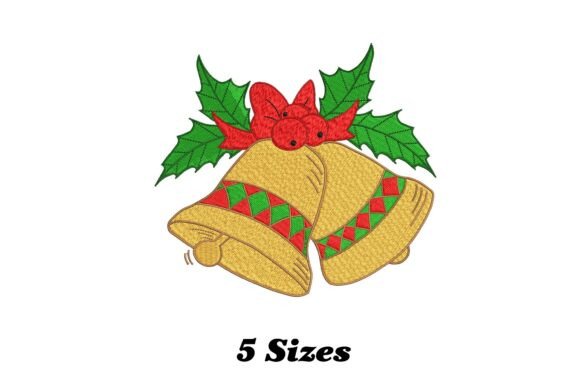
As an embroidery designer who’s built seasonal collections for over a decade—from Etsy bestsellers to craft-fair favorites—I opened the Christmas Bell Embroidery Design with one question: *Does this feel like a holiday keeper?* The answer was immediate. It strikes that rare balance—playful enough for kids’ aprons and baby onesies, yet elegant enough for linen pillow covers and monogrammed table runners. The bell shape is classic, not cliché; its curves suggest motion, joy, and quiet tradition all at once. There’s no heavy ornamentation or overwhelming detail—just confident line work, thoughtful negative space, and a gentle sense of whimsy. It reads as cozy and premium—not kitschy or rushed. That emotional tone matters deeply when shoppers scroll past hundreds of holiday embroidery files in December.
Where This Design Shines in Real Holiday Selling Situations
The Christmas Bell Embroidery Design isn’t just decorative—it’s commercially versatile. On sweatshirt embroidery, it anchors family matching sets without competing with logos or slogans. As a tote bag design, it scales beautifully across canvas or cotton duck—clean at 3.5”, impactful at 5”. For kitchen towel embroidery, its open structure avoids bulk while still reading clearly from across the room. I’ve used it on pillow covers layered with neutral linen and velvet, and it holds presence without overwhelming texture. As an embroidered patch, it stitches cleanly on twill or denim backings—ideal for gift-ready product bundles (think: “Holiday Hostess Kit” with towel, apron, and oven mitt). On ornaments and baby items, its compact silhouette works well within small hoop sizes—and its lack of fine interior lines means fewer thread breaks during high-volume stitching.
For Etsy sellers and small shop product creators, this design performs exceptionally in visual storytelling. It translates seamlessly into printable mockups—whether styled on rustic wood backgrounds for social media previews or paired with cinnamon sticks and red ribbon for holiday email banners. Its simplicity allows consistent brand consistency across product types: same bell, different fabric, same emotional resonance. That builds customer trust during peak shopping windows, when buyers lean on visual recognition to make quick, confident decisions.
Smart Placement & Stitching Considerations
While flexible, the Christmas Bell Embroidery Design rewards intentionality. Avoid placing it on highly curved surfaces like baseball caps unless you confirm its stitch density supports stretch recovery—test first on scrap fabric with your target cap material. On thick towels or terry cloth, use cutaway stabilizer and reduce top tension slightly to prevent puckering. Dark fabric demands careful thread color testing: a silver metallic may shimmer on navy but vanish on charcoal, while matte ecru or cream adds warmth without glare. Metallic thread can be stunning here—but only if your machine handles it reliably; otherwise, opt for high-sheen polyester for similar impact with less risk.
Small hoop sizes (under 4”) are absolutely viable—but zoom in on the digital embroidery file before finalizing. Check for any tiny loops or tight corners that might not digitize cleanly at reduced scale. If your version includes optional accents (like a subtle bow or holly sprig), confirm whether those elements are grouped separately—so you can omit them for minimalist applications or add them for premium gift editions. Always verify commercial licensing before selling finished products, especially for wholesale or bundled offerings.
Design Notes Every Embroidery Professional Should Apply
- Test thread colors on both light and dark fabric—especially if offering customizable options on your Etsy listing.
- Confirm hoop size compatibility before adding to product mockups; mismatched sizing causes costly rework.
- Match stabilizer to fabric texture: lightweight tear-away for t-shirts, cutaway for knits, fusible for sheer linens.
- Review small details after stitching—a stray jump stitch near the clapper or uneven satin fill can undermine perceived quality.
- Plan cohesive color palettes across your holiday lineup; this bell pairs effortlessly with forest green, cranberry, ivory, and slate blue.
- Create realistic mockups using actual fabric swatches—not just flat digital layers—to assess scale and contrast.
- Check stitch density before scaling up beyond recommended dimensions; overly dense fills trap moisture in towels and stiffen babywear.
Why This Design Elevates Seasonal Appeal & Giftability
Holiday embroidery isn’t just about timing—it’s about emotional resonance. The Christmas Bell Embroidery Design taps into universal associations: ringing bells mean arrival, celebration, hope, and homecoming. That subtext lifts perceived value—even on modestly priced items like cotton tea towels or organic cotton onesies. Buyers don’t just purchase a stitched bell; they buy a moment of warmth, nostalgia, and intention. That makes it ideal for personalized gifts, where the added layer of meaning encourages higher cart values and repeat gifting. For small business owners, it strengthens brand voice: consistent, joyful, and handmade with care. And because it avoids dated trends (no snowmen wearing sunglasses or ironic slogans), it stays relevant season after season—reducing design fatigue and inventory risk.
Final Thought: A Thoughtful Addition, Not Just Another File
In a market flooded with holiday embroidery, the Christmas Bell Embroidery Design stands out by doing less—yet saying more. It doesn’t shout. It chimes. That quiet confidence makes it a reliable foundation for sweatshirt embroidery, kitchen towel embroidery, embroidered patches, pillow cover collections, and limited-edition gift drops. Whether you’re launching your first Etsy holiday shop or refining a decade-old product line, this machine embroidery design earns its place—not because it’s trendy, but because it’s timeless, adaptable, and emotionally intelligent. Before adding it to your seasonal embroidery catalog, take five minutes: test stitch it, photograph it on real fabric, and imagine it wrapped under a tree. If it makes you pause—that’s your sign.