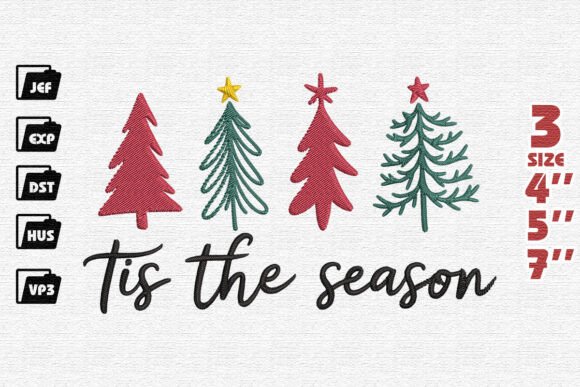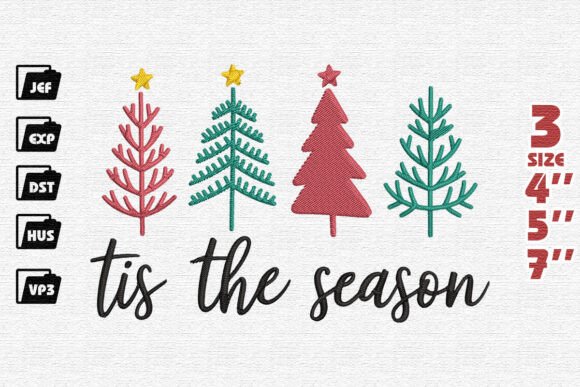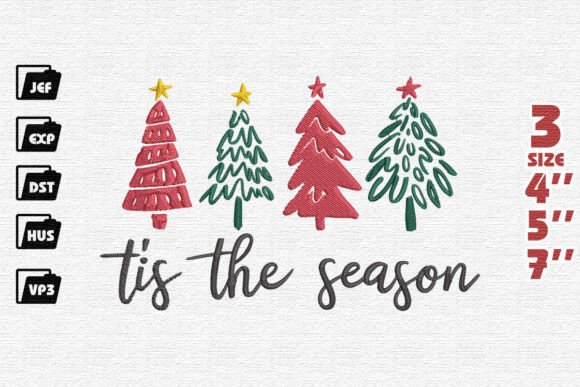
Tis the Season Winter Embroidery
A Designer’s First Impression: Festive, Cozy, and Instantly Recognizable
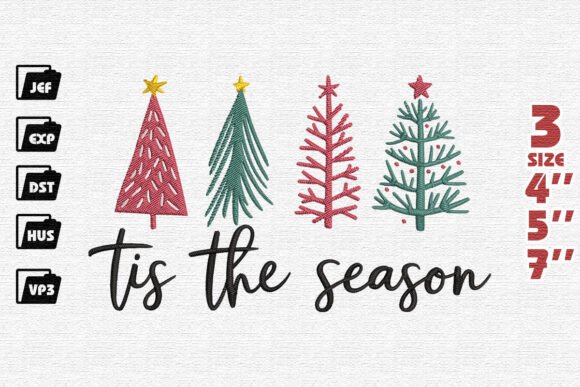
As an embroidery designer who’s curated over 200 seasonal collections for small shops and Etsy sellers, my first glance at Tis the Season Winter Embroidery tells me everything I need to know before stitching a single thread: this design lands right in the sweet spot between nostalgic warmth and modern holiday charm. It doesn’t shout—it smiles. The lettering has gentle curves and soft flourishes, evoking handwritten cards and steaming mugs by the window. There’s no cluttered ornamentation or overwhelming detail—just balanced spacing, thoughtful kerning, and subtle winter motifs (think delicate snowflakes or minimalist holly sprigs) that frame the phrase without competing with it. It feels cozy, not kitschy; elegant, not stiff; inclusive, not overly religious. That emotional resonance is non-negotiable when building a holiday collection customers return to year after year.
Where This Design Shines: Real-World Holiday Product Applications
Tis the Season Winter Embroidery isn’t just a machine embroidery design—it’s a versatile seasonal embroidery asset. On sweatshirt embroidery, it anchors the chest or back with quiet confidence, especially on heather gray, charcoal, or cream fleece. For tote bag design, it scales beautifully across canvas or cotton duck—ideal for gift-ready shopping bags at craft fairs or boutique pop-ups. Kitchen towel embroidery? Yes—positioned near the top hem, it adds handmade charm without compromising function. Pillow covers and aprons gain instant personality, while embroidered patches made from this file work perfectly on denim jackets or stocking stuffers.
It also excels in family-focused offerings: matching pajama sets (as noted in the product description), baby onesies, and toddler pillow covers all benefit from its gentle scale and cheerful tone. For Etsy sellers, pairing Tis the Season Winter Embroidery with printable mockups—say, a linen table runner or a rustic wooden ornament—is a fast way to build cohesive listings. And because it reads clearly at medium sizes, it translates well to social media previews and limited-edition product drops where visual recognition matters more than intricate detail.
Smart Placement & Practical Limits: What to Watch For
This design performs best when used intentionally—not everywhere. Avoid cramming it into tiny hoop sizes under 4×4 inches unless you’ve confirmed the lettering remains legible and stitch density stays balanced. Very small versions may lose definition, especially on textured fabrics like terry cloth or thick towels. On dark fabric, test thread colors thoroughly: matte white or ecru often reads warmer and more natural than bright white, which can look harsh. Metallic thread adds sparkle but increases breakage risk—reserve it for low-wear items like ornaments or framed pillow covers, not everyday sweatshirts.
Stretchy garments (like ribbed knits or lightweight jersey) require careful stabilizer selection—cutaway plus light tear-away helps prevent puckering. Curved caps? Not ideal—this design wasn’t built for complex curvature. And if you’re planning repeated washing (think kids’ pajamas or kitchen linens), confirm the stitch density supports durability. Overly dense fills may stiffen fabric or crack over time; lighter satin or fill stitches with open spacing hold up better.
How It Strengthens Your Seasonal Strategy
In holiday selling, emotion drives action—and Tis the Season Winter Embroidery taps directly into the “warmth factor”: that feeling of comfort, connection, and intentionality shoppers seek in handmade gifts. It boosts perceived value without demanding premium pricing. A $32 embroidered pillow cover feels special; a $32 pillow cover with Tis the Season Winter Embroidery feels *thoughtful*. That distinction builds customer trust, especially among repeat buyers who recognize your consistent aesthetic.
For Etsy sellers and small shop owners, this design supports brand consistency across categories—same phrase, same mood, different products. That cohesion improves visual recognition in feeds and email campaigns. It also pairs effortlessly with complementary seasonal embroidery: think coordinating snowflake borders for table linens or mini holly accents for gift tags. And because it’s inherently giftable, it lifts conversion rates on bundled offers—“Holiday Matching Set” becomes instantly understandable, not abstract.
Designer Notes You Can’t Skip
- Test thread colors on both light and dark fabric—especially if offering multiple base options.
- Check stitch density before mass production; high-density files may require slower machine speeds or upgraded needles.
- Confirm hoop size compatibility—if your standard setup is 5×7, verify the design fits comfortably within that space.
- Use proper stabilizer for each substrate: cutaway for knits, tear-away for stable wovens, water-soluble for delicate layers like organza or lace overlays.
- Create realistic mockups—not just flat templates, but draped sweatshirts or folded kitchen towels—to preview how the design interacts with fabric texture and drape.
- Review small details after stitching: check for skipped stitches in fine flourishes or uneven letter edges, especially on curved surfaces.
- Plan matching color palettes across your collection—e.g., forest green thread + cream linen, or navy thread + oatmeal canvas—to reinforce seasonal cohesion.
- Confirm commercial licensing before selling finished seasonal products—this is essential for any digital embroidery file used in resale contexts.
Remember: Tis the Season Winter Embroidery works hardest when paired with intention—not just as decoration, but as part of a larger story about warmth, celebration, and care. Whether you’re launching a holiday capsule line or adding one standout piece to your small shop product lineup, this embroidery file earns its place by delivering clarity, charm, and quiet confidence—exactly what holiday shoppers remember long after the season ends.