Teddy Bears Holding a Heart Embroidery
First Impressions: Sweet, Sincere, and Instantly Relatable
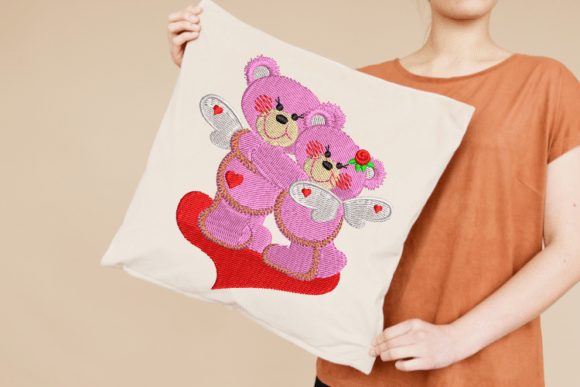
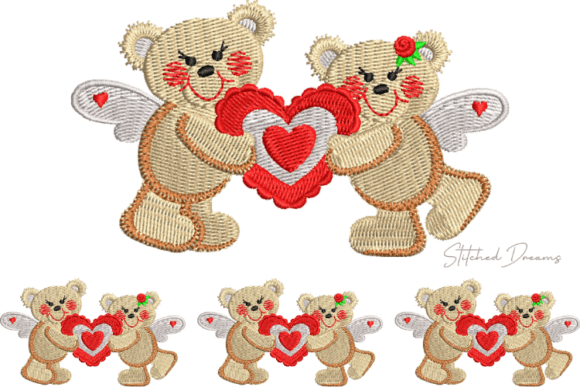
As an embroidery designer who’s tested hundreds of digital embroidery files for small shops and Etsy sellers, I opened Teddy Bears Holding a Heart Embroidery expecting charm—and got warmth. The design radiates gentle sincerity: two softly rounded teddy bears, arms interlocked around a centered heart, with subtle facial expressions that read as tender rather than cutesy. It’s not overly detailed or fussy—no tiny bows or glitter effects—so it avoids looking dated or seasonal. Instead, it lands in that timeless sweet spot: classic enough for heirloom baby blankets, warm enough for wedding keepsakes, and approachable enough for kitchen towels or tote bags sold at craft fairs.
Where This Design Truly Shines
Teddy Bears Holding a Heart Embroidery is exceptionally versatile for personalized gift products—especially when emotional resonance matters more than trendiness. Here’s where it delivers real value:
- Baby embroidery: Perfect for onesies (on stable fabric), swaddles, and nursery wall hangings—parents love symbols of protection and affection without overt gender coding.
- Wedding gift: Stitch it onto linen pillow covers, handkerchiefs, or framed hoop art for the couple’s first home. It reads as loving but not saccharine—ideal for modern or rustic weddings.
- Family keepsakes: Works beautifully on memory blankets stitched with names and dates, or embroidered tea towels gifted to new grandparents.
- Small shop product: A standout on neutral-toned aprons, canvas totes, or cotton pillow covers—simple enough to stitch quickly, meaningful enough to justify a premium price point.
- Etsy seller advantage: The design photographs well on flat-lay mockups and pairs naturally with soft lighting and natural textures—boosting click-through and perceived handmade quality.
Smart Placement Matters—Know When to Pause
Even lovely designs have limits. Before stitching Teddy Bears Holding a Heart Embroidery on your next batch of finished products, consider these practical constraints:
- Avoid ultra-fine details on textured fabric: The heart’s outline and bear contours hold up well—but skip heavy terry cloth towels unless you’re using a high-density stabilizer and reducing stitch density slightly.
- Don’t force it onto stretchy baby clothes: Knits require precise hooping and cutaway stabilizer; test first. Better to use this design on woven cotton blankets or burp cloths instead.
- Watch contrast on dark fabric: Light thread colors may fade visually—always run a printable mockup and check how the heart reads against navy, charcoal, or deep burgundy.
- Curved surfaces need planning: On mugs or curved tote handles, distortion can soften the bears’ proportions. Stick to flat or gently contoured items like pillow fronts or apron pockets.
- Frequent-wash items demand durability: For embroidered towels or kitchen linens, confirm the file uses satin-stitch borders (not fill-heavy areas) and moderate stitch density—so it won’t pill or snag over time.
Why Customers Trust—and Return To—This Design
It’s not just about cuteness. Teddy Bears Holding a Heart Embroidery builds trust because it feels intentional, not generic. Buyers scanning Etsy or a boutique site instantly recognize its emotional clarity: love, friendship, care. That clarity translates into stronger product photography—no need for complex styling. A simple linen pillow cover with this design, shot in natural light, tells the whole story.
For handmade product sellers, that means higher perceived value. Customers pay more for pieces that feel personal *and* polished—and this design delivers both. It also invites customization: add a name in a clean script below the heart, or stitch it alongside a birth date on a baby blanket. That flexibility makes it a reliable workhorse for custom embroidery orders, especially during baby showers, anniversaries, and holiday gifting seasons.
Embroidery Notes You Can’t Skip
Before you load Teddy Bears Holding a Heart Embroidery into your machine or list it in your shop, run these checks:
- Test on scrap fabric that matches your intended product—same weight, weave, and stretch level.
- Verify thread color contrast across your most common fabric palette (ivory, oatmeal, navy, blush). Soft pastels look lovely—but only if they read clearly.
- Confirm hoop size compatibility. Does it fit comfortably in your standard 4x4 or 5x7 hoop? Oversized versions may require re-hooping mid-stitch—risky for production runs.
- Review stitch density. High density adds richness but risks puckering on lightweight fabrics. Adjust if needed—or choose a version optimized for delicate textiles.
- Use appropriate stabilizer. Tear-away works for stable wovens; cutaway is essential for knits or towels. Don’t assume one fits all.
- Compare light/dark fabric mockups side-by-side before finalizing your product photos.
- Inspect small details post-stitch: Are the bears’ eyes crisp? Does the heart retain shape? If not, revisit tension or stabilizer choice.
- Confirm commercial licensing. If you’re selling finished products—not just the digital embroidery file—you must ensure the license permits commercial embroidery use. Check the source before listing on Etsy or fulfilling wholesale orders.
A Thoughtful Choice for Meaningful Makes
Teddy Bears Holding a Heart Embroidery isn’t flashy—but it’s deeply functional. It bridges generations (grandparents love it as much as new parents), occasions (baby arrivals, weddings, “just because” gifts), and product types (from blanket embroidery to embroidered towel sets). For embroidery makers and small shop owners, that versatility is gold. It reduces design decision fatigue, increases repeat customer potential, and consistently delivers that quiet “ah” moment buyers describe in reviews: *“It felt made just for us.”*
When you choose this machine embroidery design, you’re not just selecting a pattern—you’re choosing emotional clarity, production reliability, and quiet confidence in every stitch.