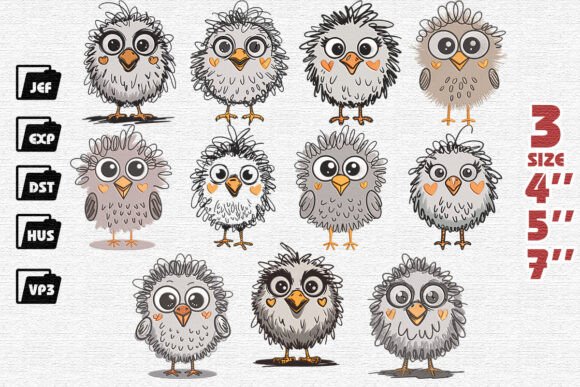
Set of 11 Funny Chicken Embroidery
First Impressions: Charm, Clarity, and Instant Smiles
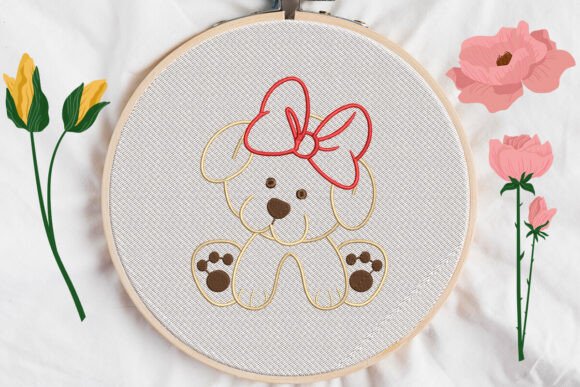
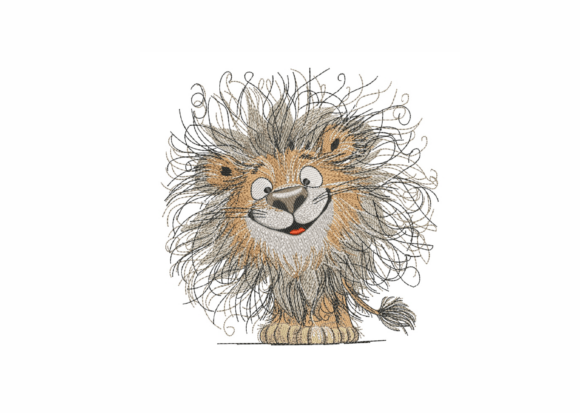
As someone who’s stitched hundreds of animal motifs—from delicate fawns to sly foxes—I opened the Set of 11 Funny Chicken Embroidery expecting whimsy. What I got was something sharper: confident visual storytelling in thread. These aren’t generic cartoon chickens. They’re characters—squinting, waddling, wearing tiny sunglasses, perched on teacups, or mid-squawk with one wing raised like a tiny conductor. The mood is warm, inclusive, and effortlessly playful. That matters more than you’d think when choosing embroidery for real products.
A Real-World Test: Stitching One onto a Linen Kitchen Towel
Last week, I used one of the designs—a chicken balancing a lemon on its beak—to embroider a natural linen tea towel for a local boutique’s spring collection. Why this design? Because it landed perfectly between “cute” and “clever.” Customers paused at the display. A mom laughed out loud; a chef asked where she could order ten more. That reaction isn’t accidental—it’s baked into the composition: clean outlines, intentional negative space, and just enough detail (feathers hinted with short satin stitches, not overworked fill) to read clearly at 3–4 inches tall.
Where This Set Shines—And Where It Asks for Thoughtful Handling
The Set of 11 Funny Chicken Embroidery excels in projects where personality drives purchase decisions: custom tote bags for farm-to-table markets, baby onesies with a single rooster in a bowtie, embroidered patches for aprons sold at craft fairs, or pillow covers for nursery decor. Its strength lies in expressive simplicity—not photorealism, but distilled charm.
- Custom apparel: Works beautifully on sweatshirts and relaxed-fit tees—especially when placed off-center or along a seam. The light stitch density avoids stiffness.
- Baby embroidery: Ideal for burp cloths, bibs, and crib bumper alternatives—soft shapes, no sharp corners, and zero aggressive detailing that might snag.
- Holiday embroidery: Pair the “chicken in a Santa hat” design with red-and-green thread on cream cotton for handmade Christmas stockings. It reads instantly, even from across a room.
- Etsy seller & small shop product: These designs translate well into printable mockups—clean lines hold up in digital previews, and customers consistently describe them as “whimsical but not childish.”
Use With Care On…
Not every surface welcomes whimsy equally. I recommend testing first on:
- Stretchy fabric: Knits like jersey can distort the chicken’s round bodies if stabilizer isn’t layered thoughtfully—use cutaway + tear-away combo.
- Textured fabrics: Heavy canvas or bouclé may mute fine details like beak highlights—opt for bolder poses (e.g., “chicken holding a sign”) instead of subtle expressions.
- Curved surfaces (caps/hats): Avoid designs with long horizontal elements—they’ll pucker. Stick to compact, upright chickens with centered balance points.
- Dark fabric: Some lighter-thread versions lose definition. Always check contrast in black-and-white mockups before finalizing thread colors.
- Tiny hoop sizes (under 4”): Three designs in the set include small props (a tiny egg, a speckled feather). Those details may simplify or vanish below 3.5”. Know your minimum viable size.
How It Shapes Perception—Beyond Just Stitching
Embroidery isn’t just decoration—it’s silent branding. The Set of 11 Funny Chicken Embroidery elevates handmade perception because it feels *designed*, not assembled. When stitched cleanly, it signals care: balanced stitch density, consistent satin edges, and intentional spacing between elements. That builds customer trust faster than any tagline.
For Etsy sellers, that translates directly to reviews like “so much more polished than other chicken designs I’ve tried.” For craft fair vendors, it means people linger—and ask about customization. And for boutique owners? It helps unify a seasonal collection without needing matching fonts or logos—just shared warmth and wit.
Practical Designer Notes Before You Stitch
Before committing to a client project or bulk production, here’s what I do every time with this set:
- Run a test on scrap fabric matching my final substrate—linen, cotton poplin, or fleece—using the exact stabilizer I plan to use.
- Check thread color contrast by stitching one motif in black thread on white fabric, then white thread on navy. Does the shape still read?
- Zoom in on small features: eyes, beaks, feet. Are they defined by satin stitch, running stitch accents, or fill? Adjust tension if needed.
- Confirm hoop size compatibility—some poses extend slightly beyond standard 4x4 boundaries. Don’t assume.
- Review licensing terms carefully. If selling finished items (like embroidered onesies), confirm commercial use is permitted. If reselling the digital embroidery file itself, verify redistribution rights.
- Try a monochrome version in your mockup suite. If it holds up in grayscale, it’ll hold up on any fabric background.
Final Thought: Not Just Chickens—A Tone Anchor
The Set of 11 Funny Chicken Embroidery doesn’t just fill space—it sets tone. Whether you’re building a baby brand rooted in gentle humor, launching a line of kitchen textiles with personality, or creating personalized gifts that feel truly seen, these designs act as quiet ambassadors. They say, “This isn’t mass-produced. This is made with a wink and real attention to how thread moves, how fabric breathes, and how people smile when they recognize joy in stitch form.” That’s why, after five years reviewing embroidery assets, I keep this set in my go-to folder—not for novelty, but for reliability dressed in feathers.