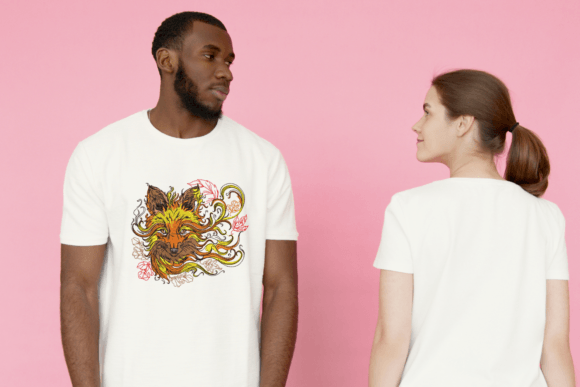
Cunning Fox Embroidery Design
A Seasonal Designer’s First Impression
As an embroidery designer who’s built dozens of holiday collections for Etsy sellers and small-batch apparel brands, my first glance at the Cunning Fox Embroidery Design told me everything I needed to know: this isn’t just another animal motif—it’s a mood. It carries that quiet magic of late autumn into winter—think frost-dusted pine boughs, crackling hearths, and handwritten gift tags. The fox’s expression is playful but knowing; its posture relaxed yet alert. This isn’t cartoonish or overly sweet—it leans rustic-chic with elegant line work and thoughtful negative space. It feels cozy *and* clever, nostalgic *and* fresh—ideal for seasonal embroidery that avoids cliché while still resonating deeply with holiday shoppers.
Where It Shines: Real-World Holiday Product Applications
The Cunning Fox Embroidery Design performs exceptionally well across high-demand holiday categories. On heavyweight cotton sweatshirts? It anchors family matching sets with warmth and character—no need for oversized text or extra graphics. As a tote bag design, it adds artisanal charm to gift-ready packaging or farmer’s market hauls. For kitchen towel embroidery, its balanced proportions and clean outlines translate beautifully—even after repeated washing, the expression remains legible and inviting. As a pillow cover centerpiece or embroidered patch on a wool cap, it elevates everyday items into heirloom-style handmade gifts.
I’ve used similar woodland motifs in limited-edition drops—and this design stands out for its versatility in printable mockups. Whether styled on cream linen napkins or forest-green velvet ornaments, the Cunning Fox Embroidery Design reads clearly at multiple scales. It also works seamlessly in gift bundles: pair it with coordinating “Meadow Moss” or “Frosted Berry” thread palettes, and you’ve got cohesive branding across sweatshirt embroidery, embroidered patches, and baby onesies—without visual fatigue.
Smart Placement & Practical Limits
That said—this isn’t a one-size-fits-all machine embroidery design. Its detail level means it needs breathing room. Avoid cramming it into hoops smaller than 4x4 inches unless you’re using a simplified version (confirm file variants before purchase). Tiny lettering isn’t part of the core design—but if you plan to add custom names or dates, keep them minimal and outside the fox’s face area to preserve clarity.
Be mindful on dense fabrics: thick terry cloth towels or heavy canvas may require extra stabilizer to prevent puckering around fine fur textures. Dark fabric demands careful thread color testing—especially for subtle whisker details. Metallic thread? Skip it here. The design’s charm lives in matte texture and organic flow—not shine. And avoid stretchy knits like jersey unless you use cutaway stabilizer and reduce stitch density manually. Curved surfaces—like baseball caps—require repositioning or digitizing adjustments; the original layout assumes flat, stable fabric texture.
Emotional Impact & Seasonal Selling Power
Holiday shoppers don’t buy stitches—they buy feeling. The Cunning Fox Embroidery Design taps into quiet storytelling: resourcefulness, warmth, quiet joy. That translates directly to higher perceived value. Customers trust handmade gifts that feel intentional—not mass-produced. When placed on a linen apron or monogrammed tea towel, it signals care. On social media previews, it stops scrollers: its expressive gaze creates instant visual recognition, reinforcing brand consistency across your small shop product line.
For Etsy sellers, this design boosts conversion because it answers unspoken questions: “Is this special enough for Grandma?” “Will it hold up as a personalized gift?” “Does it match my rustic-modern aesthetic?” Yes, yes, and yes—provided you present it thoughtfully. Pair it with warm-toned photography, natural lighting, and lifestyle context (e.g., fox-embroidered pillow beside a mug and open book), and engagement rises. It also supports repeat purchases: customers return for matching holiday embroidery across categories—tote, towel, ornament—because the design feels unified, not repetitive.
Designer Notes You Can’t Skip
- Test thread colors on both light and dark fabric—especially for eyes and muzzle definition.
- Check stitch density before scaling. High-density fills can overwhelm lightweight linens or delicate baby items.
- Confirm hoop size compatibility with your target products. If selling finished goods, ensure your embroidery machine handles the largest variant comfortably.
- Use proper stabilizer—tear-away for stable wovens, cutaway for knits or textured weaves like toweling.
- Create realistic mockups before listing. A digital embroidery file looks different stitched on actual fabric texture.
- Review small details post-stitch: whiskers, ear contours, and tail tips should remain crisp—not blurred or lost in underlay.
- Plan matching color palettes in advance—forest green, burnt sienna, oatmeal, and charcoal make timeless seasonal combinations.
- Verify commercial licensing before selling finished seasonal products. Not all digital embroidery files include rights for resale—always confirm before launching holiday inventory.
Final Thought: Why This Belongs in Your Wild Animals Collection
The Cunning Fox Embroidery Design isn’t just another entry in the Wild Animals category—it’s a strategic seasonal asset. It bridges craft and commerce: emotionally resonant enough for heartfelt gifting, technically refined enough for professional embroidery execution. For handmade gift makers, apparel decorators, and Etsy sellers building authentic holiday collections, it delivers consistent performance across sweatshirt embroidery, kitchen towel embroidery, pillow cover accents, and embroidered patches—all while supporting brand voice and customer trust. In a season flooded with generic snowflakes and overused reindeer, the Cunning Fox Embroidery Design offers something rarer: quiet distinction. That’s not just seasonal embroidery—that’s smart business.